SHIRE
The preservation of historic buildings
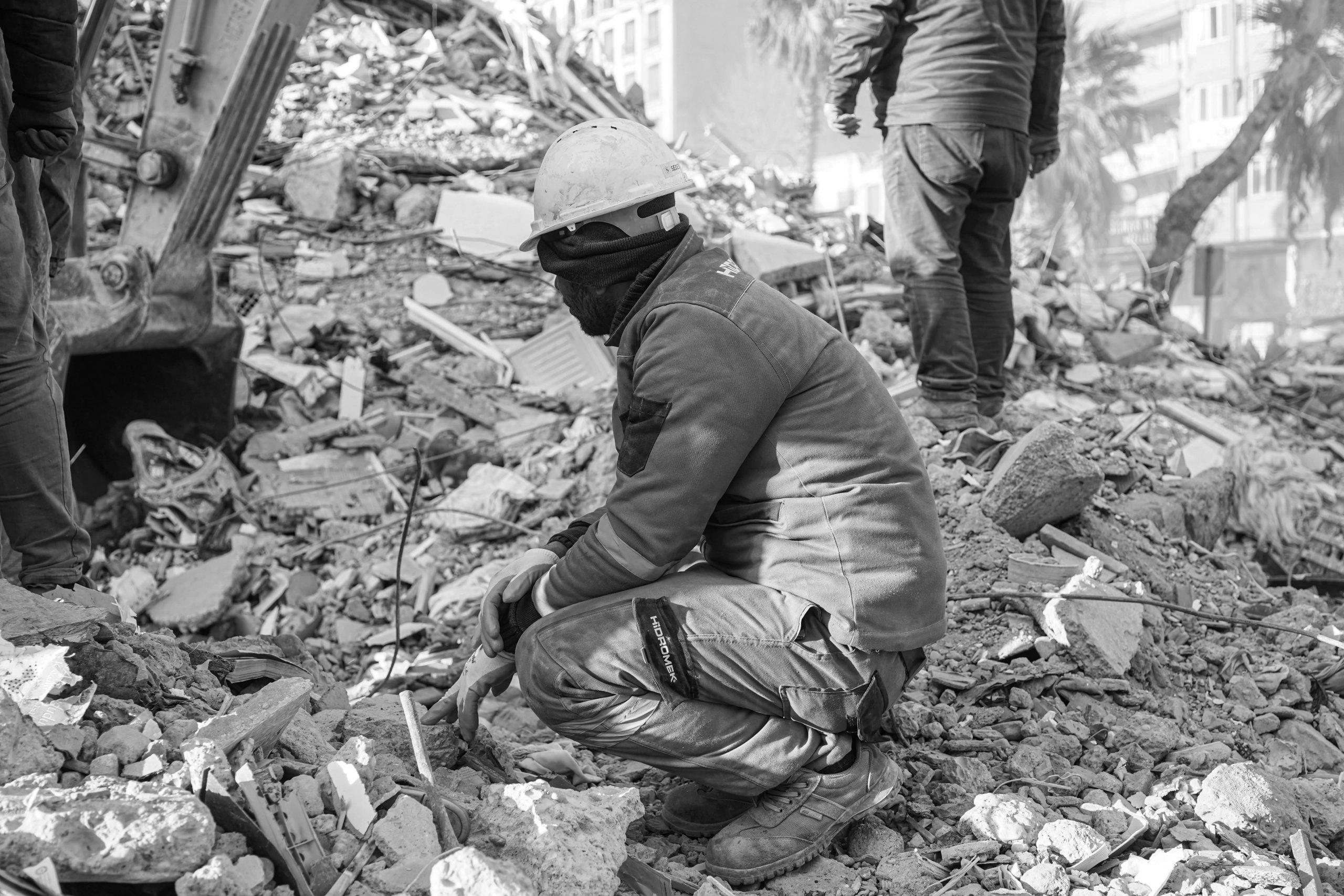
The preservation of historic buildings, which constitute an essential part of cultural heritage and are currently exposed to numerous risks, is one of the important challenges and responsibilities shared by international organizations, national authorities, experts from different fields and society. One of the most critical risks that can lead to the complete destruction of cultural heritage is seismic activity. The Republic of Croatia has a large number of buildings classified as cultural heritage, and many are located in areas of high seismicity. In 2020, Croatia was hit by two strong earthquakes that caused severe damage to individually protected buildings and resulted in significant material losses in a large part of the built environment in central Croatia. According to rapid damage assessments, the costs of economic losses to cultural heritage ranked second only to the housing sector. However, the preservation of heritage buildings should not only be considered from the point of view of the vulnerability of the structural elements. In many cases, the restoration of historic and artistic features may exceed the cost of repairing structural elements. For example, even low-intensity earthquakes can cause damage to historical and artistic elements, which can affect its cultural heritage value. Furthermore, the importance of cultural heritage goes beyond its economic value, as it embodies social and spiritual values that contribute to a social identity. In this context, the objectives of this project proposal focus on expanding the criteria for seismic vulnerability by considering specific structural components in conjunction with their historical and artistic significance. To achieve this, the research will use advanced numerical modelling techniques, employing a multi-level modelling approach with varying degrees of complexity. By developing and analyzing these models, the study will investigate the effects of seismic activity on both structural and art historical elements. Moreover, when addressing the seismic vulnerability of historic buildings, discussions about preservation strategies are essential. Decisions on interventions are often complex as they need to strike an optimal balance between preserving authenticity and ensuring safety. Based on the identification of critical structural elements and following the ISCARSAH-ICOMOS guidelines for acceptable interventions, this research develops a methodology for targeted strengthening of cultural heritage buildings.
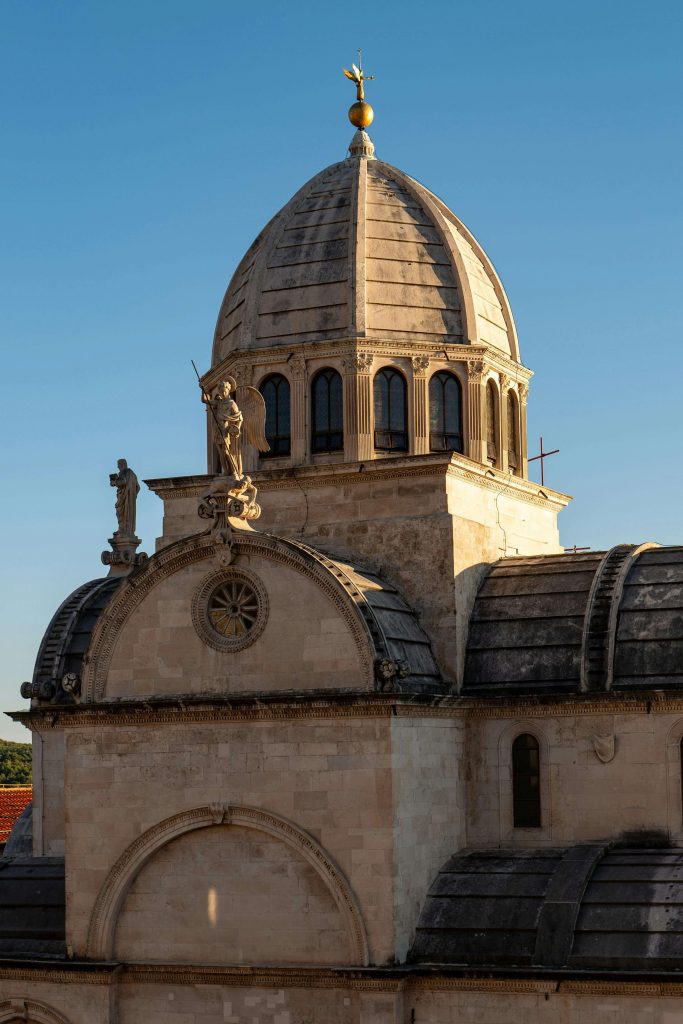
Among the targeted activities and projects in Croatia, the studies and projects for the structural strengthening of the historic city of Dubrovnik, carried out by the Institute for the Restoration of Dubrovnik, are particularly noteworthy. In cooperation with the Institute, the Faculty of Civil Engineering of the University of Zagreb (FCE) conducted a project entitled Seismic analysis and structural assessment of block B17 in the historic core of Dubrovnik in 2022. The project was led by Assoc. Prof. Mario Uroš, with Assoc. Prof. Marija Demšić, the principal investigator of this proposal, making a significant contribution through the development of numerical models of varying complexity for this study. Furthermore, she is currently coordinator of the activity Development of computational methods and tools for the analysis of local mechanisms in masonry buildings, which is carried out within the national strategic project Seismic Engineering Research Project (A679117 – HPC), coordinated by the Croatian Centre for Earthquake Engineering (CCEE) under the leadership of Prof. Josip Atalić. The general scope of this work package includes the development of computational methods and software tools for the analysis of local failure mechanisms in masonry structures. As part of these activities, a case study of a masonry aggregate buildings in a Zagreb was conducted in 2024 in collaboration with leading scientists from the University of Genoa. The results of this research enabled the development of fragility curves using a methodology that takes into account both the in-plane and out-of-plane responses of the masonry walls. A significant part of the project leader’s scientific activities includes her participation in the HRZZ UIP project “New Vulnerability Models of Typical Buildings in Urban Areas: Applications to Seismic Risk Assessment and Targeted Retrofitting Methodology”. As part of this project, she has gained additional knowledge and experience in assessing the vulnerability of existing buildings and developing targeted strengthening methodologies, incorporating insights from the 2020 earthquakes in central Croatia. In addition, it is important to mention the recent completion of two HRZZ projects in Croatia: SeisRICHerCRO [121] and ARES [122]. In the SeisRICHerCRO project, research focused primarily on seismic hazard assessment at selected high-risk sites, with the ultimate goal of developing a methodology and practical procedure for cultural heritage risk assessment – from the urban scale, as exemplified by Dubrovnik to selected individual cultural monuments, such as Šibenik Cathedral and Trakošćan Castle. The ARES project aimed to evaluate the reliability of structural resistance assessments of existing masonry and timber buildings through the development of databases, to optimize the estimation of material properties and structural models, and to provide guidelines for safer and more cost-effective retrofitting. It is important to emphasize that the data collected after the Zagreb and Petrinja earthquakes provided a valuable basis for these projects. Although these projects and research activities have significantly contributed to the advancement of methodologies for analysis and strengthening of existing buildings, as well as seismic risk assessment, an open research challenge remains: the definition of damage limit states and the assessment of the vulnerability of structural and non-structural elements, which are crucial for the preservation of the authenticity of cultural heritage buildings.